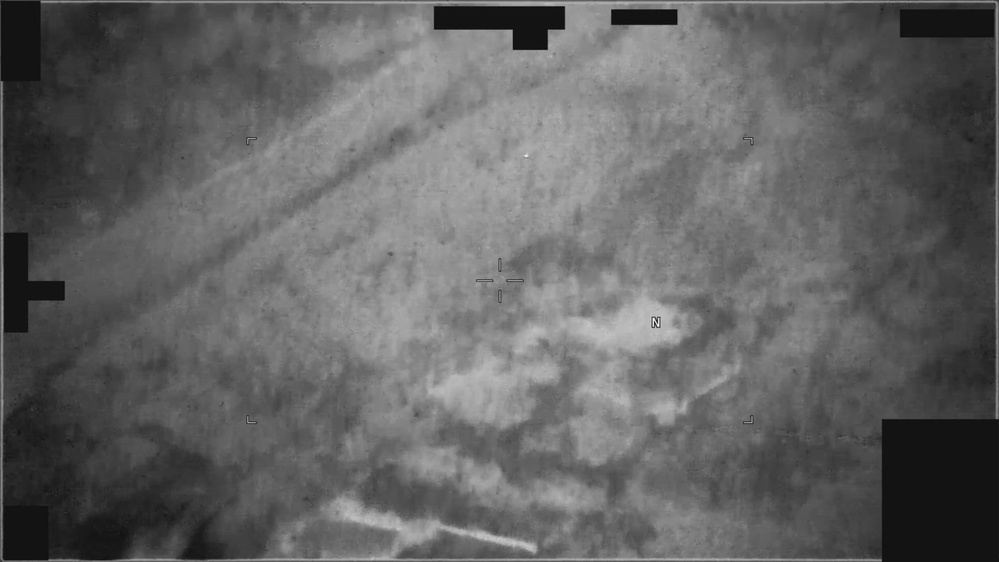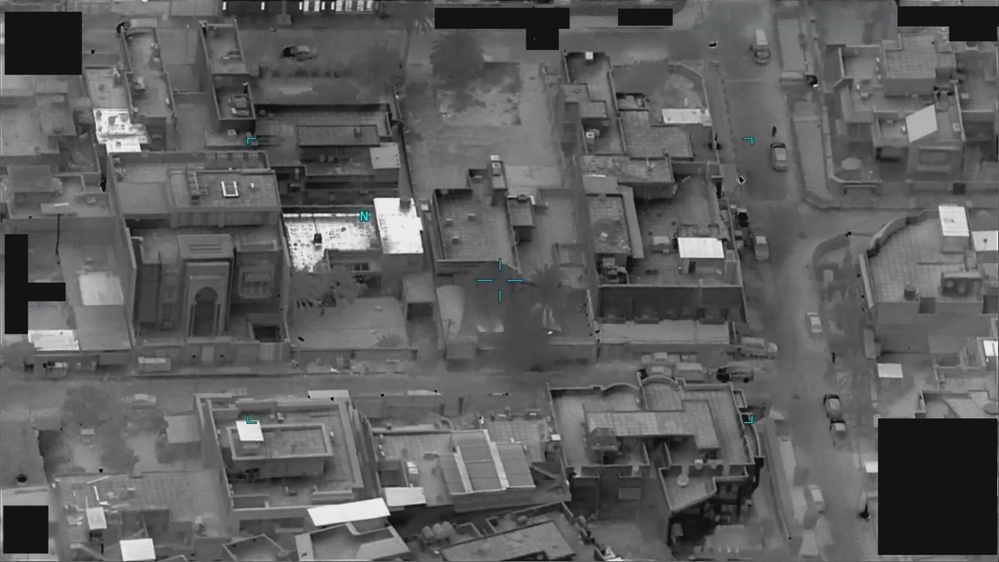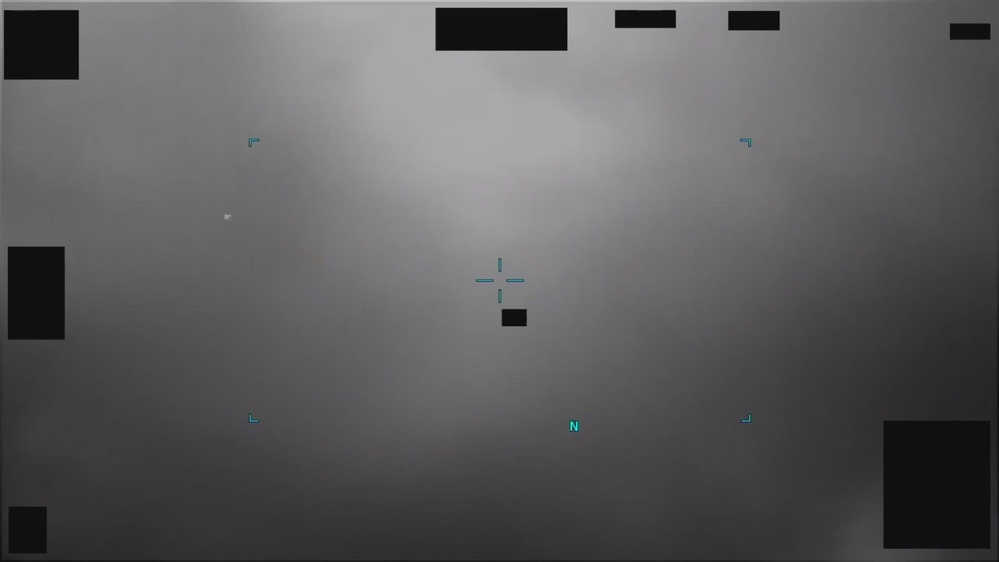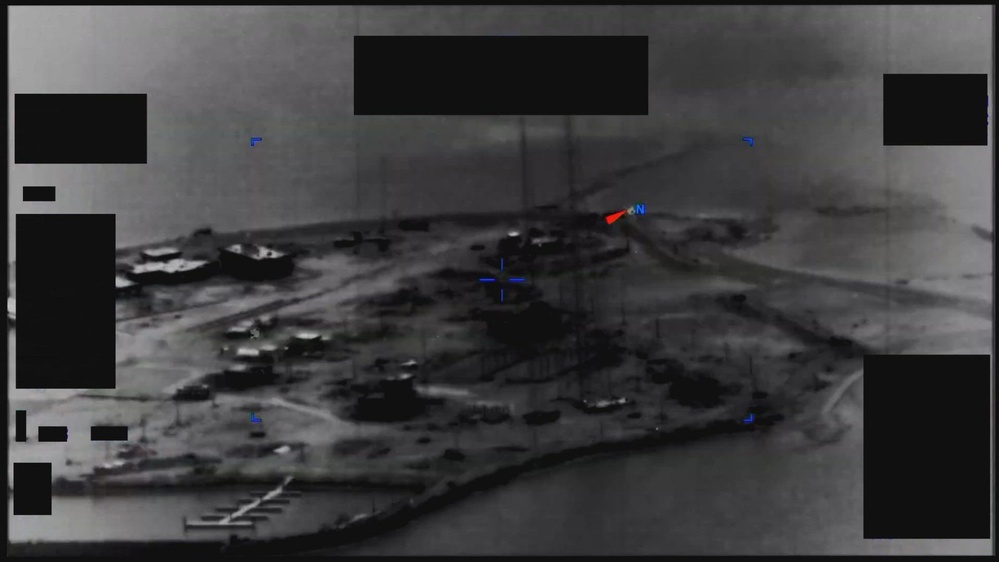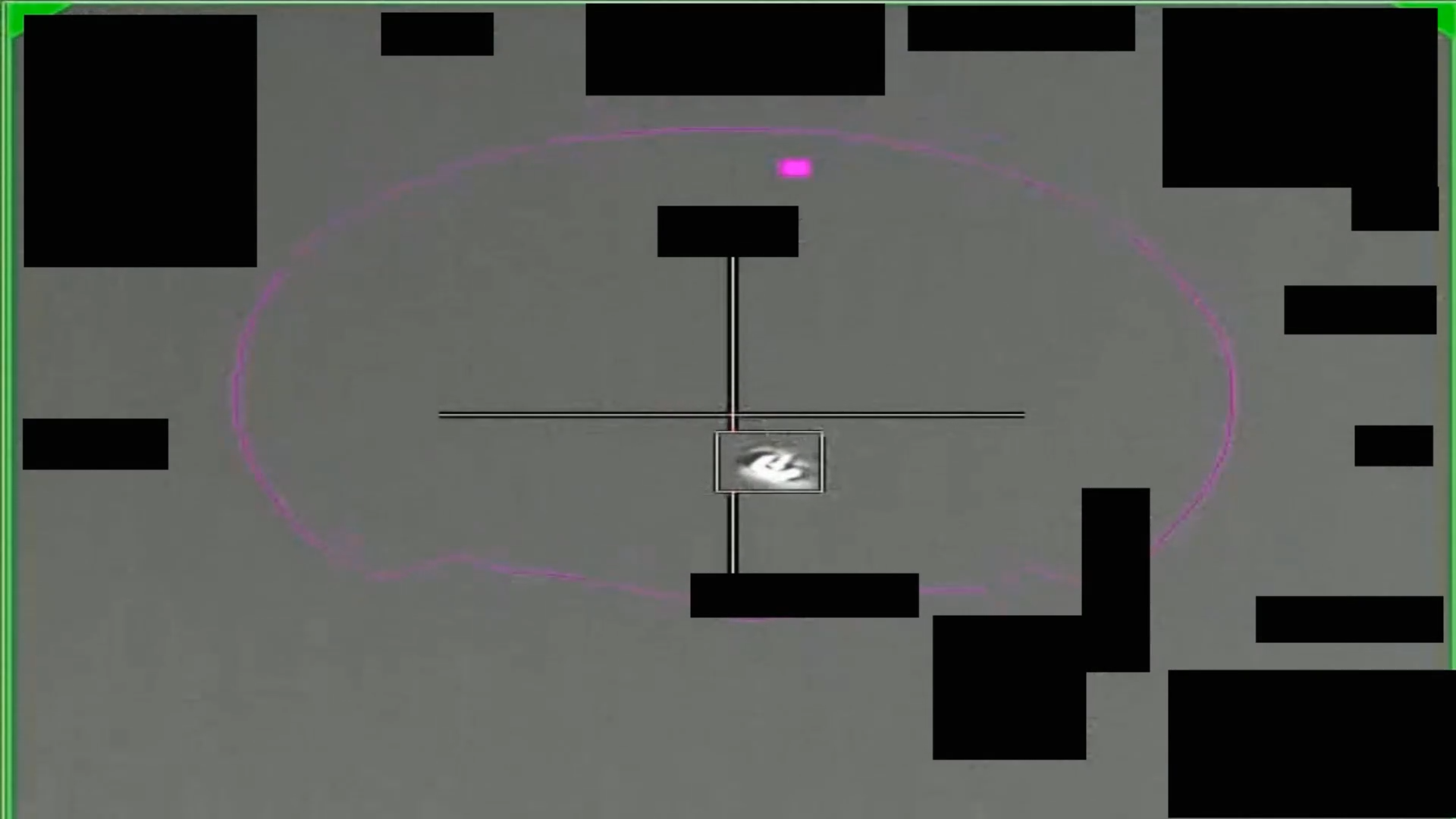
The Department of the Air Force submitted a report of an unidentified anomalous phenomenon to the All-domain Anomaly Resolution Office (AARO) consisting of 58 seconds of video footage from an infrared sensor aboard a U.S. military platform in 2020. The reporter did not provide any oral or written description of the observation.
The case was publicly released by the Department of War on May 8, 2026 via the Defense Visual Information Distribution Service (DVIDS) as part of a broader disclosure batch of unresolved UAP reports. The released material consists of sensor video footage documenting the unidentified contact.
The case was submitted to the All-domain Anomaly Resolution Office (AARO) for formal assessment as part of the office's centralized UAP reporting pipeline. AARO reviews all reports submitted by military branches and combatant commands, applying standardized analytical criteria to determine whether observed objects or phenomena can be identified as conventional aircraft, drones, atmospheric phenomena, or sensor artifacts, or whether they exhibit genuinely anomalous characteristics warranting further investigation.
The analysis was limited by the duration and quality of the available sensor data. As with many single-sensor UAP reports, the absence of corroborating multi-sensor data constrained the depth of analytical conclusions that could be reached.
00:00-00:03: The sensor tracks an area of contrast acquiring a reticle lock. 00:04-00:30: The area of contrast gradually increases in distinctiveness against the background. 00:31: The sensor narrows its field-of-view to zoom in on the area of contrast. 00:32-00:56: The area of contrast increases in apparent size and distinctiveness. 00:57-00:58: The area of contrast leaves the center of the frame and passes out of the sensor field-of-view, exiting the scene in the bottom right corner of the screen.
This video description is provided for informational purposes only. Readers should not interpret any part of this description as reflecting an analytical judgment, investigative conclusion, or factual determination regarding the described event's validity, nature, or significance.
The area of contrast’s apparent increase in size is likely to be at least partially attributable to the U.S. platform closing the distance between itself and the source of the detection.
The official conclusion of AARO is that this case remains an unresolved UAP report. The available video footage does not provide sufficient evidence to conclusively identify the object as any specific conventional platform, nor does it contain observable characteristics that can be definitively categorized as anomalous. The designation "unresolved" reflects the determination that the available evidence is insufficient to reach a positive identification or to rule out conventional explanations.
This case is representative of a broader category of AARO reports involving brief single-sensor detections where the duration and quality of the available data are inadequate to support a definitive analytical conclusion. Such cases remain open in AARO's case management system and may be revisited if additional data becomes available.
- Q.01What was the true nature of the object captured in the sensor video footage? Without independent sensor data — including radar tracking, infrared signatures, or electronic warfare system returns — it is impossible to determine the object's range, velocity, altitude, or physical composition. The available video footage alone is insufficient to distinguish between a conventional object and something outside the known performance envelope.
- Q.02What additional sensor data from the recording platform exists but has not been publicly released? Military sensor platforms typically carry multiple sensor systems operating simultaneously. Whether radar, electronic support measures, or other onboard sensors captured data contemporaneous with the released video footage, and what that data might reveal, has not been addressed in any official public statement about this case.
- Q.03Why was this specific case selected for public release as part of the Department of War's May 8, 2026 disclosure batch? Understanding the selection criteria for public release — whether these cases are representative of the broader AARO caseload, were chosen to illustrate specific sensor or analytical challenges, or were selected for other reasons — would provide important context for interpreting the significance of the released material.